South-South collaboration on data: A global call to action for inclusive and equitable development
Kenya accelerates progress on inclusive data through national workshop and community fieldwork
From 27–29 May 2025, Kenyan data leaders, advocates, and practitioners came together at the Movenpick Hotel in Nairobi for an inclusive data workshop, a key milestone in the country’s journey under the Make Inclusive Data the Norm (MIDN) initiative. Co-hosted by the Global Partnership and the Open Institute, the workshop strengthened national capacity to create data systems that reflect the lived experiences of everyone, especially marginalized groups.
Committing to more inclusivity in humanitarian responses – IMPACT launches IDC action plan
Originally published by IMPACT, read the full article here.
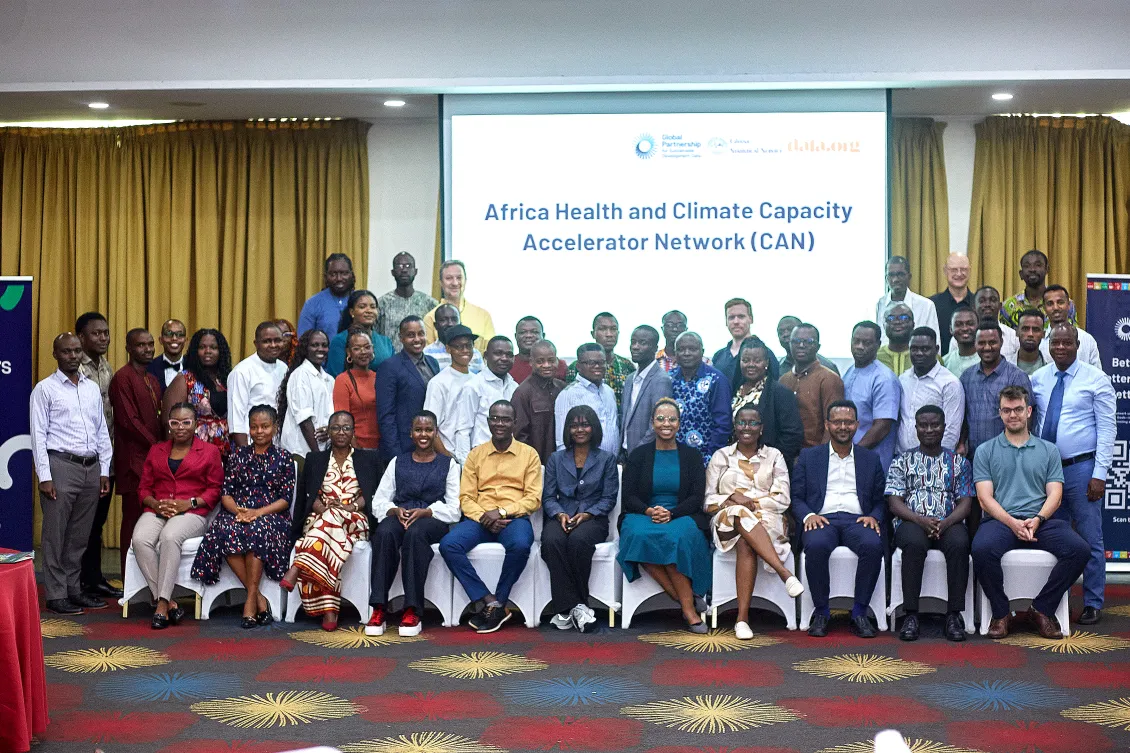
CAN fellow champions data-driven farming for climate, nutrition, and equity wins in Kenya
In Ahero, Kisumu County, Kenya, CAN Data Fellow Andrew Karanja is helping farmers tap into the power of data to transform their livelihoods and build climate resilience.
Through his placement at ICON Data and Learning Labs (IDL) under the Global Partnership’s Capacity Accelerator Network (CAN) Fellowship, Andrew is spearheading a farming initiative that combines satellite imagery, weather forecasting, and community engagement to address three key challenges: climate adaptation, nutritional outcomes, and equitable access to farming solutions.
The Global Partnership announces new board members
The Global Partnership for Sustainable Development Data is excited to welcome two new board members bringing extensive experience and expertise: Ndidi Okonkwo Nwuneli, President and CEO of ONE Campaign, and H.E Jane Naana Opoku-Agyemang, Vice President of the Republic of Ghana.
Championing inclusive data for development: Nigeria launches a new IDC action plan
Nigeria officially became an Inclusive Data Charter (IDC) Champion in February 2022, committing to strengthening inclusion, coordination, evidence-based planning, decision-making, and resource allocation in line with the Sustainable Development Goals (SDGs) principle of ‘leaving no one behind’ and the five principles of the IDC.
Citizen data in action: Transforming the Canal del Dique through local voices
May 7-8, 2025 - Cartagena, Colombia
As part of the Make Inclusive Data the Norm initiative, the event “Tírame el Dato: Citizen Data in Action for the Canal del Dique” convened community leaders, national institutions, international organizations, and development partners in Cartagena to spotlight the role of citizen-generated data in shaping inclusive governance and sustainable development.
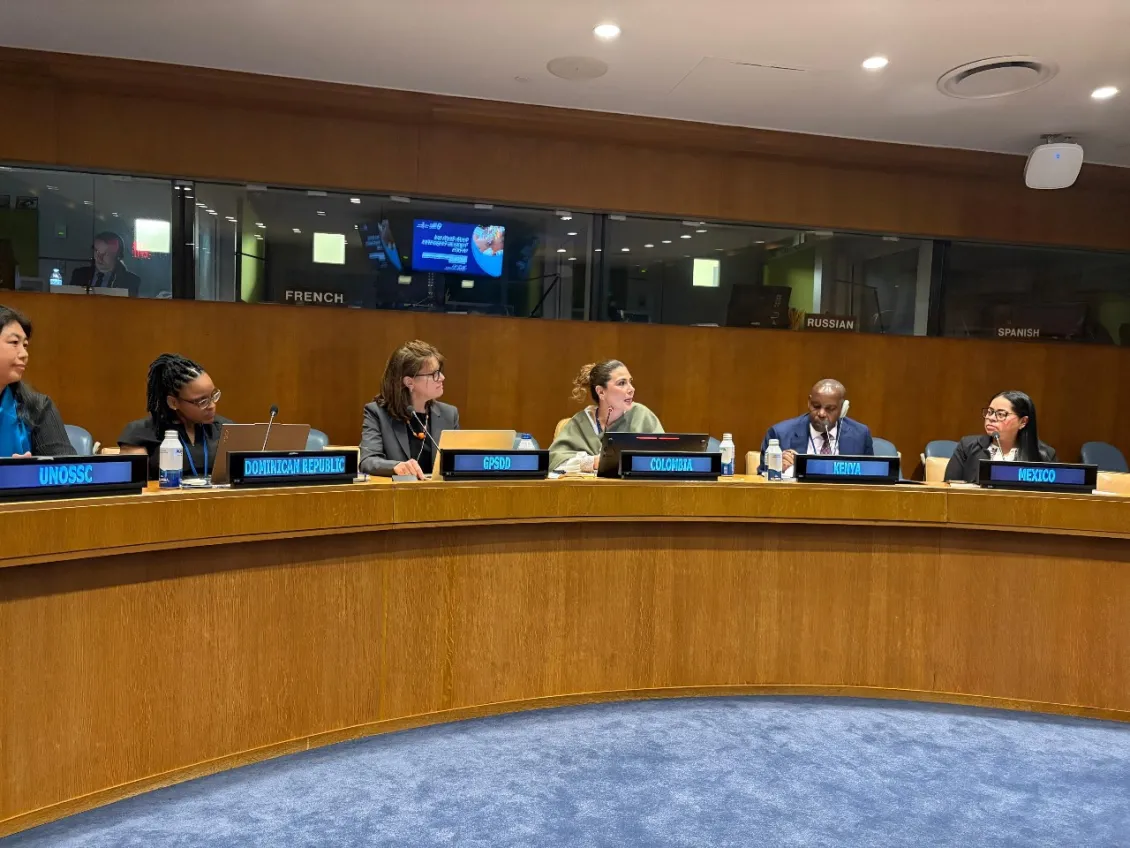
Claire Melamed leads discussion on governing data for AI at the United Nations STI Forum 2025
As part of the 10th Annual Multi-Stakeholder Forum on Science, Technology and Innovation for the SDGs (STI Forum), an Action Day under the theme Advancing the Global Digital Compact (GDC) brought together leading implementers and partners to discuss the role of data governance for an innovative and equitable digital economy.
Cabo Verde charts bold new path with first national data strategy in the age of AI
Under the Power of Data Initiative, leaders converge to shape a digital future rooted in inclusion, ethics, and innovation