About the initiative
A South-to-South learning project between Colombia, Ghana, Senegal, Nigeria and Kenya to advance inclusive data systems #Data4South
Launched on February 28, 2024, during a meeting of the Heads of the National Statistical Offices (NSOs) from Colombia, Ghana, and Kenya at the UN Statistical Commission in New York, Make Inclusive Data the Norm is a collaborative effort between APC-Colombia and the Global Partnership for Sustainable Development Data. Phase 2 of the initiative was officially launched during the 57th session of the UN Statistical Commission on March 4, 2025, which onboarded Senegal and Nigeria. The primary objective of this initiative is to facilitate knowledge sharing and learning among the five countries, enabling them to overcome challenges and advance inclusive data practices.
Empowering inclusive data: advancing the Leave No One Behind agenda
Inclusive data is central to the Leave No One Behind (LNOB) agenda. It is crucial to design and monitor policies that are responsive to the needs of all, especially those who are marginalized. This initiative aims to champion the LNOB agenda by focusing on three key areas:
- Data disaggregation & intersectionality: Enhancing the understanding of different population groups and their intersecting identities.
- Citizen participation in data processes: Encouraging the use of citizen-generated data to shape policies.
- Data advocacy: Empowering stakeholders to use data for advocacy, fostering an informed agency process.
Fostering global south collaboration to strengthen inclusive data systems and drive equitable policy making
Make Inclusive Data the Norm aims to facilitate knowledge exchange on inclusive data systems between countries in the Global South through activities including workshops and joint publications.
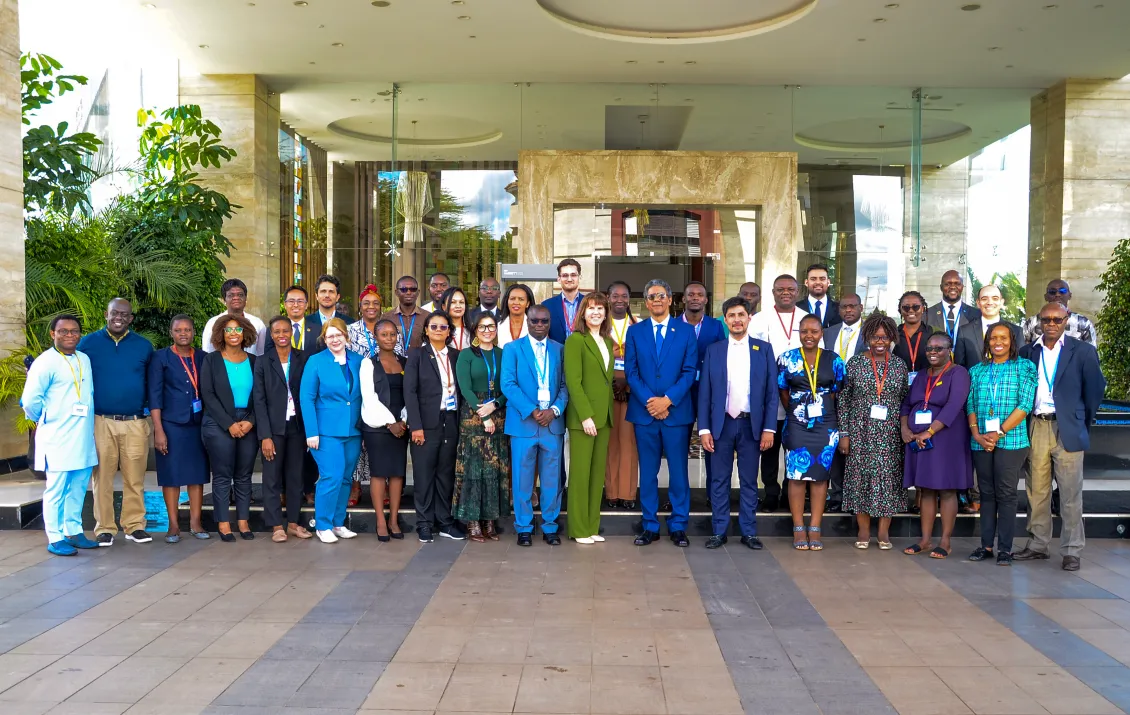
Colombia, Ghana, Nigeria, Senegal and Kenya have been selected for their commitment to advancing inclusive data. They will share their experiences, challenges, and best practices to strengthen inclusive data systems and inform policy decisions.
Want to learn how to be a part of this? If so, please reach out to Karen Bett, Senior Policy Manager - Inclusive Data at the Global Partnership, at [email protected] or Fredy Rodriguez, Senior Programs Manager - Latin America at the Global Partnership, at [email protected].
What each country is doing
Colombia
Colombia's MIDN work is led by DANE through a Citizen Data Maturity Model pilot with Afrodescendant civil society organizations. It responds to a long-standing gap in official statistics, where Afrodescendant communities and the lived experience behind quantitative indicators have been underrepresented. Learn more.
Ghana
Ghana's MIDN work is led by the Ghana Statistical Service, focused on closing data gaps on female genital mutilation (FGM) through citizen-generated data. A validation workshop has been completed, with the development of a mobile app for safe, community-led data collection across three remote regions as the next step. Learn more.
Kenya
Kenya's MIDN work is led by the Kenya National Bureau of Statistics and focuses on institutionalizing inclusive data within government and civil society. It is contributing to a revised Statistics Act recognizing citizen data as an official source, closing gaps that once excluded groups such as stateless communities and asylum seekers from national surveys. Learn more.
Nigeria
Nigeria's MIDN work is led by the National Bureau of Statistics, building on a national time use survey that found women spend an average of five more hours a day than men on unpaid care work. Follow-up interviews with caregivers are underway to connect those numbers to lived experience, feeding into SDG indicator 5.4.1 monitoring. Learn more.
Senegal
Through MIDN, the National Agency of Statistics and Demography of Senegal (ANSD) aims to strengthen the quality, equity, and responsiveness of health services in Senegal through an integrated system of citizen data that is interoperable with the SNIS/DHIS2, in partnership with health authorities and project partners. Learn more.
Highlights

Global South leading the way on citizen-generated data

PRESS RELEASE: South-to-South peer learning project on inclusive data launched by Colombia, Ghana, and Kenya
Colombia launches its first Citizen Data Framework to strengthen official statistics
Nigeria MIDN launch Inaugural stakeholder meeting on MIDN initiative in Nigeria
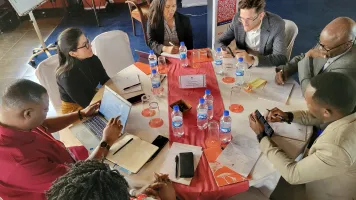
One year on: Five key insights from Colombia, Ghana, and Kenya on establishing inclusive data practices
Team

Karen Bett

Fredy Rodriguez

Victor Ohuruogu

Fatuma Faarah

Mike Bolton

Muthoni Mugo

Joshua Omena
Resources
News and Updates
Partners

Presidential Agency for International Cooperation of Colombia - APC Colombia

DANE - National Administrative Department of Statistics of Colombia

Kenya Bureau of Statistics
Ghana Statistical Service
Nigeria