What makes data inclusive and why it matters
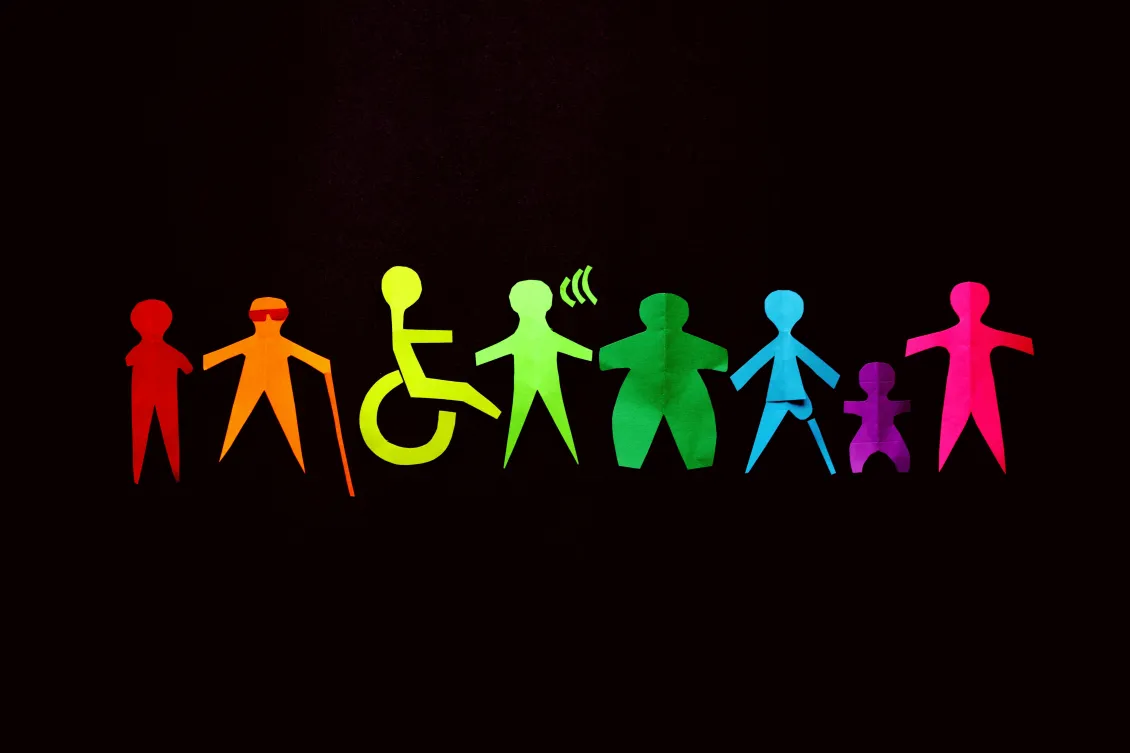
Data needs to reflect the realities of all people’s lives with their consent and participation—especially those who are poor, marginalized, vulnerable, or underrepresented. Without inclusive data, decision-makers risk designing policies and programs that overlook or exclude parts of the population. Therefore, inclusive data is critical to achieving the SDGs and ensuring that progress truly benefits everyone.
Data disaggregation, i.e., breaking down datasets based on identities and characteristics— including gender, age, race, ethnicity, religion, disability, and socioeconomic status—helps to better reflect the situation of different population groups. Disaggregation uncovers inequalities, exclusion, and how the poorest and most marginalized are affected by policies and within services. An intersectional approach is the analysis of how these characteristics and identities overlap. It looks at systemic inequalities and their root causes, drivers, and effects and gives a more comprehensive understanding of the complexities of marginalization, inequality, and exclusion.
Citizen data is data produced by and with sufficient engagement of citizens, communities, civil society organizations, and others at the design and/or collection stages of the data process. It aims to inform decision-making and responds to specific needs of a community, supplementing existing data of national statistics systems or filling data gaps. There is increasing recognition of the power and potential of citizen data, especially where data is produced in partnership between citizens and officials or where citizens actively control the entire data process.
Inclusive data goes beyond data disaggregation, intersectional approaches, and citizen data. The case for inclusive data applies to each stage in the data value chain—from collection and analysis through dissemination and use. It requires open, transparent processes designed to share data with people and communities from whom it is collected and must build the capabilities of data users. Data governance, mechanisms, and decision-making must also be inclusive of citizens through participation, ensuring data is ethically used to benefit everyone.
Yet, while momentum around inclusive data is growing, inclusive data remains challenging to implement in practice. Many data actors—particularly within NSOs—may not be aware of existing resources, guidance, and good practices available to support this work. They may also face competing priorities or have limited time to research and apply relevant approaches. In addition, inclusive data often cuts across multiple disciplines and priorities, making it difficult for data actors to keep track of tools and frameworks. While numerous resources exist, they may not be easy for data actors to locate and assess. Addressing this gap is essential to making inclusive data the norm and ensuring no one is left behind.
Refer to the list of abbreviations used throughout the Playbook here.