About the initiative
The world runs on food, yet our agricultural and food systems are in a state of crisis. Climate change, soil degradation, extreme weather and population growth, are pushing these systems to a breaking point.
Data is one of the most underused resources in tackling food insecurity.
Despite spending nearly $190 billion annually on agriculture, low- and middle-income countries often lack the data needed to effectively target investments and track results. Patchy, outdated, or missing information hinders responses—while hundreds of millions of people go hungry every day.
We are working to bridge the gap between agriculture data and policy dialogue and enhance coordination and capacity among national and global actors. Through national engagement, cross-country learning, and global convening, we’re connecting local realities to decision-making spaces—ensuring food security efforts are grounded in evidence and aligned with development goals.
How we get there
Agriculture data is central to tackling food insecurity and advancing progress on the SDGs
One in three people in the Global South faces food insecurity. Inclusive and timely agriculture data is essential to building sustainable food systems. The Global Partnership plays a convening role to connect actors across sectors and borders, driving coordinated action grounded in shared insight.
Country-level coordination unlocks opportunities for data-informed policymaking
In many food-insecure countries, a disconnect persists between data producers and decision-makers. When national stakeholders come together to assess gaps and opportunities, they lay the foundation for developing agricultural data systems that are aligned, resilient, sustainable, and fit for purpose.
Informal convening strengthens learning and links local experience to global governance
By fostering dialogue among National Statistical Offices, agriculture ministries, civil society, and UN organizations, the Global Partnership helps surface insights that flow both ways—from local realities into global policy debates, and from international frameworks back into national action.



Resources
Resources

Data For Food Security: How The Global Community Can Drive Change

Agriculture Data Shaping Policy and Changing Lives in Kenya & Tanzania
Strengthening Statistical Governance in FAO

From Local Needs to Local Knowledge: Better Data to End Hunger

Agriculture Data For COVID-19 Response In Kenya: Lessons For Better Financing

Leveraging Satellite Data to Eradicate Tsetse Flies in Senegal
News and Updates
News and updates

Cambodia graduates from 50x2030, sustaining a national agricultural data system

Rome roundtable on the fertilizer crisis calls for diversification and global coordination

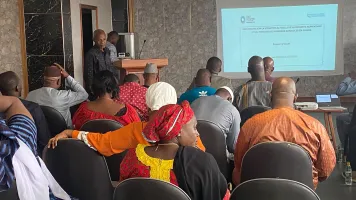
Training begins in Sierra Leone to transform agricultural data into policy insights

James Henderson joins AI for Food Security Working Group

Strengthening agricultural data for policy in Sierra Leone: A new chapter for food security and evidence-driven development