Representatives of the Ministry of Health and Child Care, the Zimbabwe National Statistics Agency (ZIMSTAT), local government, civil society and communities met in Harare on October 8, 2026. They discussed how data collected by communities could help Zimbabwe respond to infectious diseases that are spreading as the climate changes. The Humanitarian OpenStreetMap Team (HOT), Dialogue on Shelter for the Homeless (DoS), the Wellcome Trust and the Global Partnership for Sustainable Development Data organized the workshop.
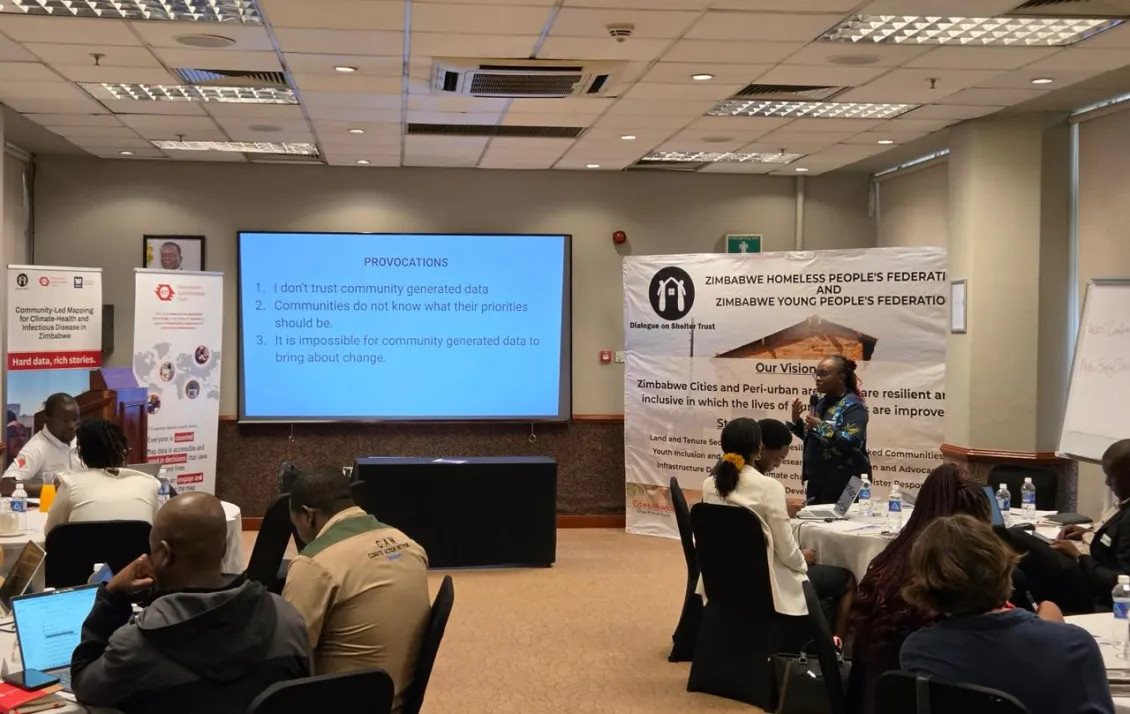
As weather patterns and ecosystems change, some diseases are reaching places and people they did not reach before. People in affected communities often notice environmental changes, movements of people, and early signs of an outbreak long before these show up in official surveillance. What they know rarely reaches health officials in a form they can act on. The workshop looked at citizen data, meaning data produced with the participation of the people it describes, as one way to change that.
After opening remarks from DoS, HOT and the Wellcome Trust, the Global Partnership moderated a fishbowl discussion on what citizen data is, where it has been used and when it is most useful for public health. The panel included community representative Sheila Muganyi and a representative of the local authority, and a two-minute video showed work in Kadoma City. Panelists were also asked to respond to the statement “I don’t trust open or community-generated data.”
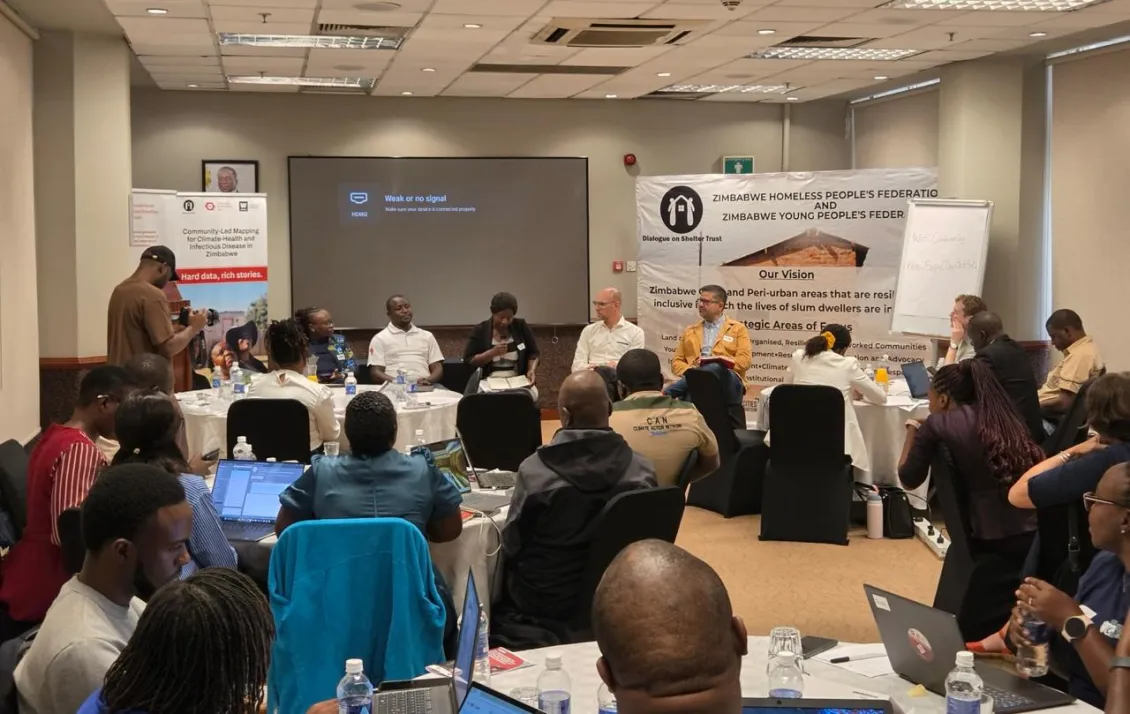
For the second half of the morning, participants worked in mixed groups, each with government, donor and community members. Half of the groups discussed what keeps communities from acting on health risks and what they already do about them. The other half discussed what meaningful engagement with communities looks like from inside government and what gets in its way.
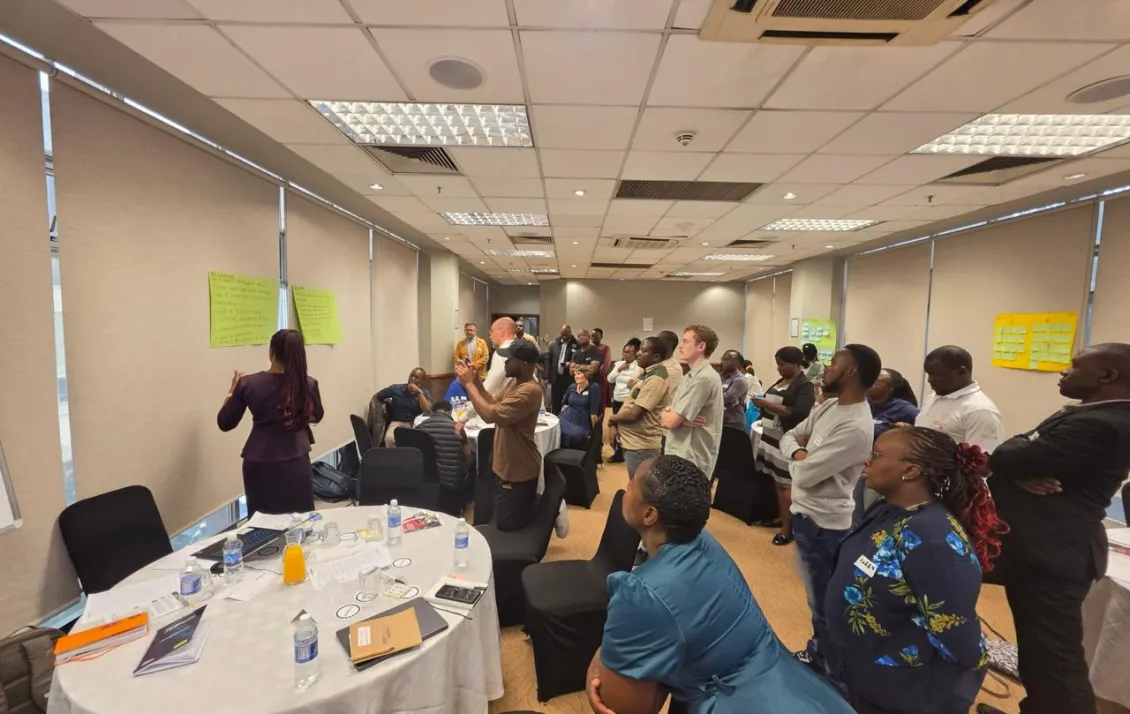
Next steps will include the DoS hosting a working group to carry on the work started at the workshop.