Senegal marked its entry into the Global Partnership's Make Inclusive Data the Norm (MIDN) initiative on July 21, 2026, with a national launch workshop at the Noom Hotel in Dakar. The day opened a four- day gathering in the capital running through July 24, bringing Senegalese institutions together with partner countries for a shared exchange on inclusive data.
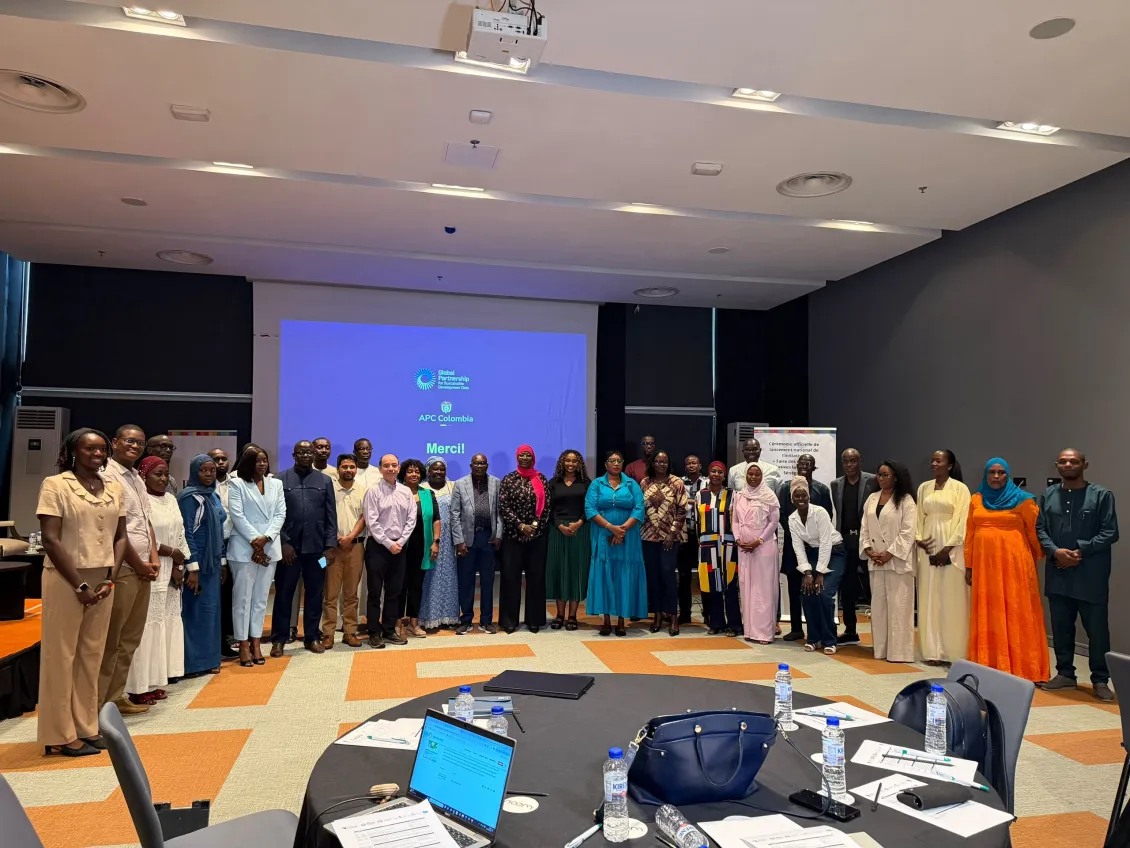
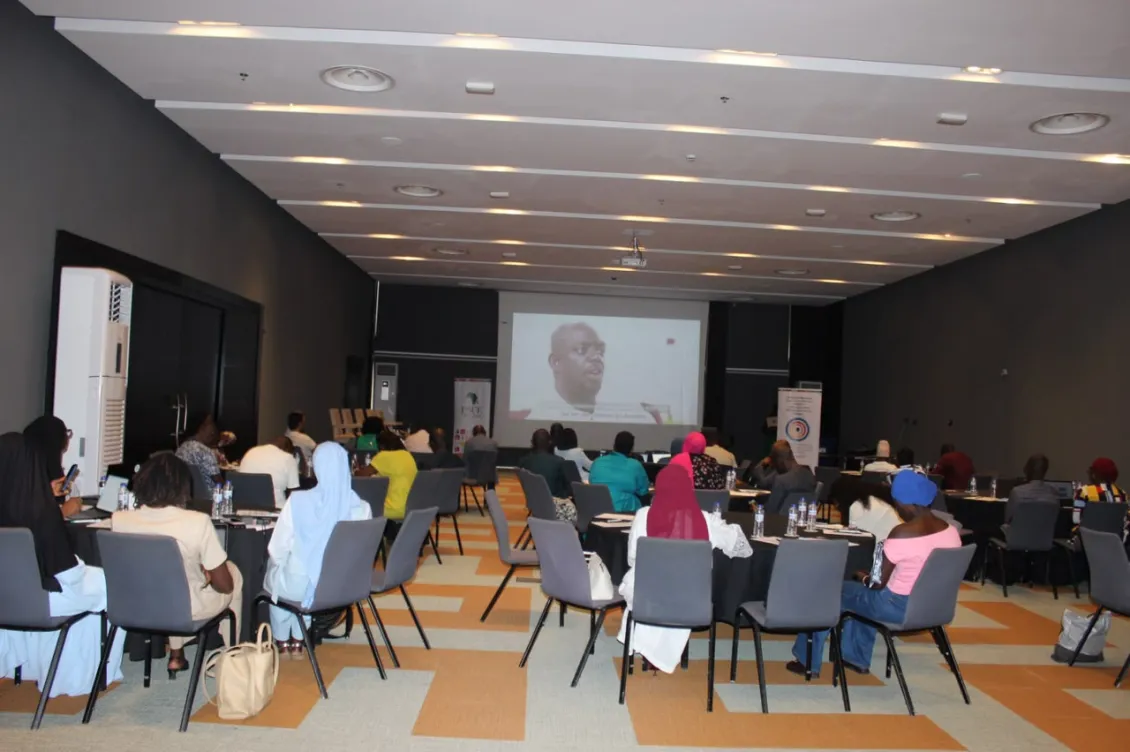
The workshop was designed to bring together around 70 participants, drawn from Senegal's public agencies, its national statistics and health institutions, local authorities, civil society organizations, community representatives, and technical and development partners. Under MIDN, Senegal aims to strengthen inclusive data by complementing its strong national statistical and health information systems with citizen and geospatial data to better understand the real barriers people face in accessing healthcare. The focus is on integrating community experiences with administrative data, collected through DHIS2, to improve equity, accountability, and evidence-based policymaking. By capturing information on travel time, service quality, affordability, infrastructure, and patient experiences, the initiative seeks to ensure vulnerable groups are represented in official statistics. It will strengthen citizen participation, produce more disaggregated and actionable data, improve health planning and resource allocation, and ensure that no one is left behind in national development. The initiative is being carried out with Senegal's National Agency for Statistics and Demography (ANSD) and the Ministry of Health & Public Hygiene, and PACE (Think Tank) as project partners, and it connects to Vision Senegal 2050's focus on human capital and social equity.

The day opened with remarks from Fodé Dieme, ANSD's Director of Methodology, Statistical Coordination and Innovation, who presented the agency's mandate within the national statistical system. Dieme said it was natural for MIDN, whose goal is to fold citizen data into the national statistical production system, to work with ANSD, and he noted that ANSD and PACE have already signed a partnership convention to formalize the collaboration. He also spoke on the value of inclusive data for public statistics and evidence-based decision-making. Dr. Seydina Ousmane Sène, founding president of PACE, gave goodwill remarks. Sène said the goal was to give citizens a way to voice their assessment of the quality of healthcare services they receive, and he argued that since citizens fund the health system through public resources and are effectively its clients, they should have their voice and feedback built into the national statistical system.
Later sessions turned to Senegal's health information system, with the Ministry of Health & Public Hygiene speaking to the challenges of equity and quality of care under DHIS2, and a representative of the Presidency's Data Protection Commission making the case for integrating citizen data into public systems. The afternoon moved into more applied ground, covering how citizen data would be collected, which variables to prioritize, and the governance questions that come with folding a new data stream into an existing system. Participants closed the day in thematic groups, working through priority indicators, governance arrangements, and how findings get fed back to the citizens who generate the data.
Senegal is the fifth country to take up MIDN, joining Colombia, Ghana, Kenya, and Nigeria, each advancing its own national priority under the initiative while contributing to a shared base of practice on inclusive data. The Dakar gathering continues through July 24 with peer exchange among the five countries, closing with a visit to ANSD's data science laboratory, where participants will see the agency's applied data projects firsthand.