Delegations from Colombia, Ghana, Kenya, Nigeria, and Senegal, joined by counterparts from Nepal and the Dominican Republic (who joined remotely), spent three days in Dakar last week working through what inclusive data actually takes to build. It was the first exchange under Make Inclusive Data the Norm's second phase, which grows the initiative from three countries to five.
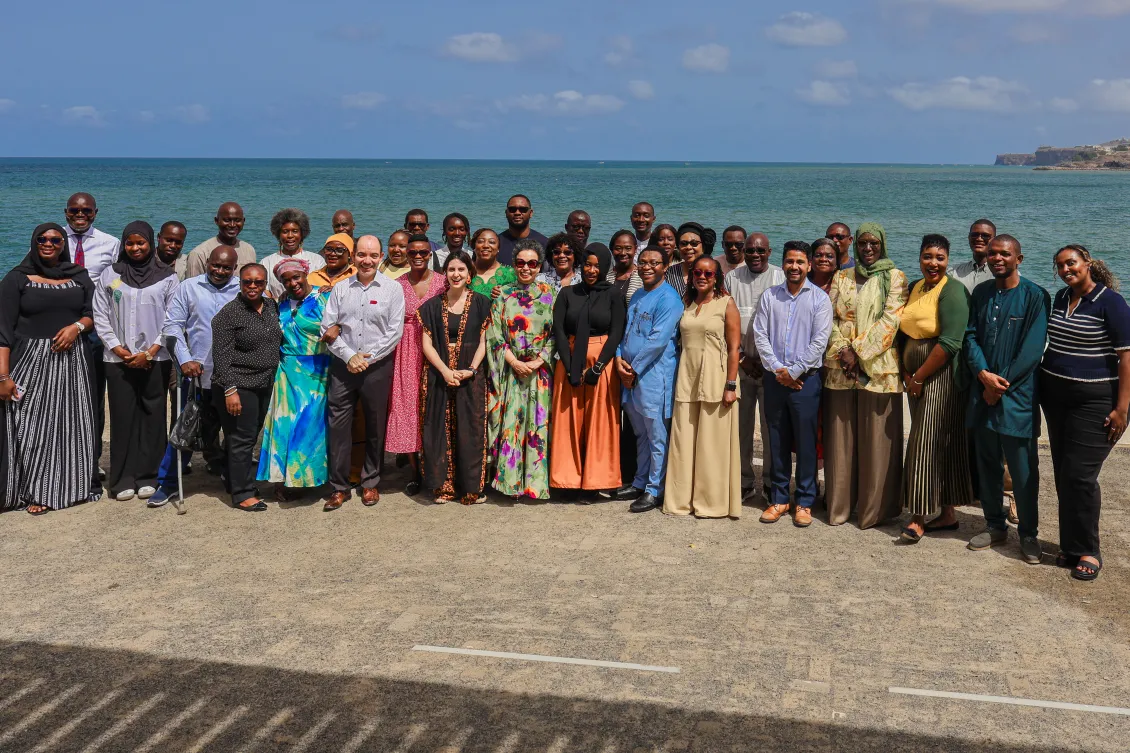
The gathering doubled as a marker of how far MIDN has come since its launch at the UN Statistical Commission in February 2024. Peer exchanges in Kenya, Colombia, and Ghana carried the initiative's first phase from initial commitments to two shared knowledge products, an Inclusive Data Playbook and a Country Resource Compendium. All five MIDN countries also belong to the Inclusive Data Charter, a related Global Partnership initiative, with Nigeria the first to join in 2018 and Kenya the most recent in 2022.
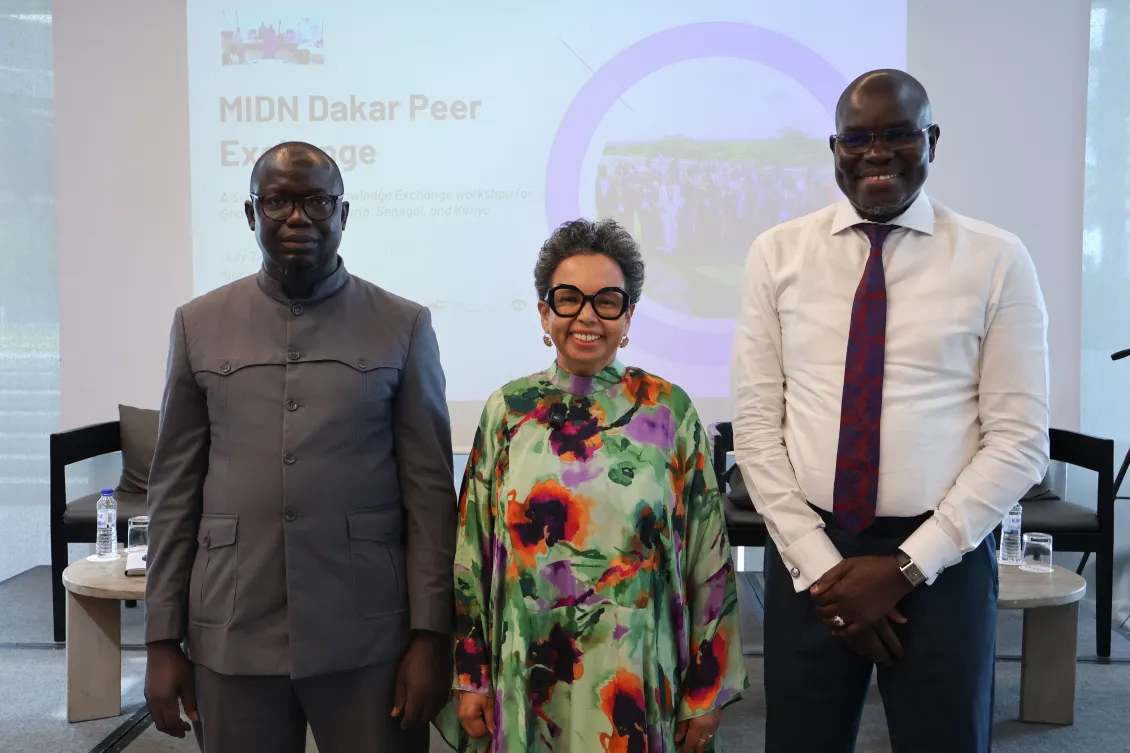
ANSD's Fode Dieme opened the first day on behalf of Dr. Abdou Diouf, the agency's Director General, who was tied up that week launching Senegal's national business census. Welcoming delegates "to the country of La Teranga," Dieme put the stakes plainly, inclusion, he said, "should no longer be an option, but a standard." PACE's Dr. Seydina Ousmane Sene followed, noting how heavily Senegalese ministries lean on ANSD's data work. Colombia's Ambassador to Senegal, Claudia Patricia Mosquera Rosero, closed the opening remarks by placing the exchange in a wider frame, speaking both as a diplomat and as an academic who spent years pushing to open statistical institutions to researchers, social movements, and communities. She called South-South cooperation "a true diplomacy of people" and pointed to Colombia's own Citizen Data Framework, built by DANE with support from Colombia's Presidential Agency for International Cooperation (APC Colombia), as evidence that folding citizen voice into official statistics narrows the gap between people's lived reality and the policy meant to serve them.
Day one's Leadership Dialogue put the technical leads of DANE, Ghana Statistical Service, the Kenya National Bureau of Statistics, Nigeria's National Bureau of Statistics, and ANSD in conversation on what institutional commitment to inclusive data looks like once the meetings end. Country updates followed, each delegation naming one success since Phase 1, one open challenge, and one thing they hoped to learn from their peers. The day closed with a Culture Exchange, where each delegation introduced a city from back home, and a Knowledge Exchange that grouped participants around five priority topics: political will and financing, multi-stakeholder partnerships, community participation, data interoperability, and disaggregation by gender and disability.

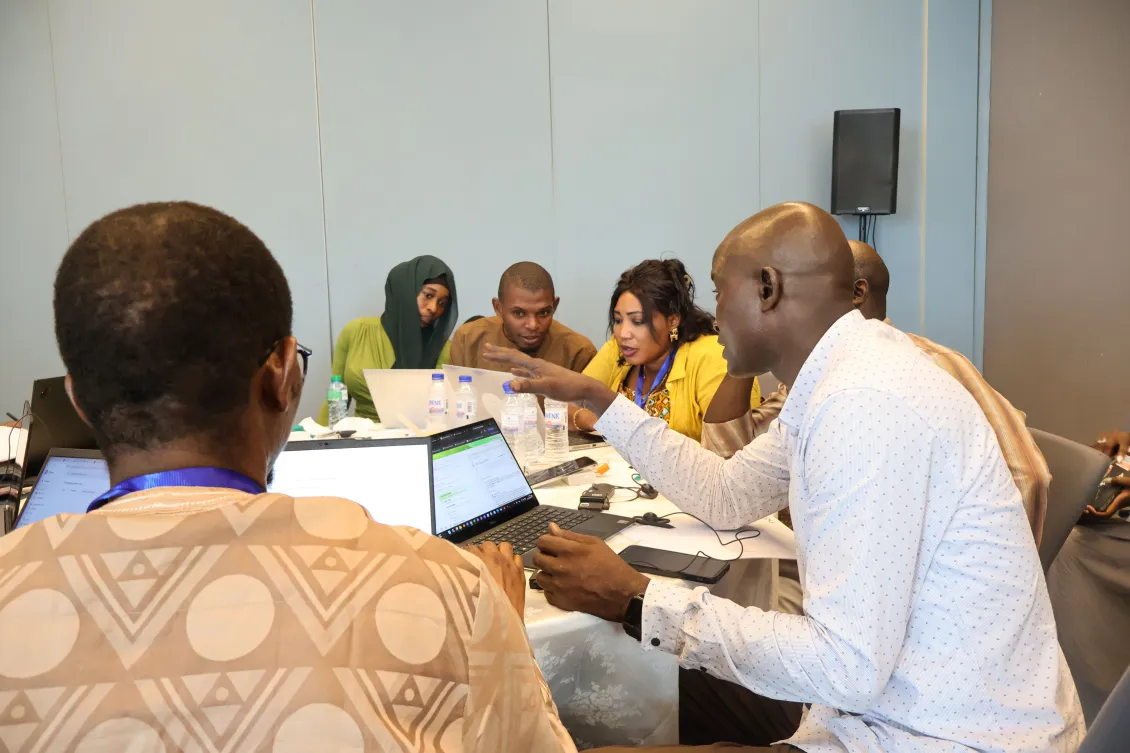
Day two turned to the Copenhagen Framework for citizen data, presented as a shared basis for national statistical offices to engage with citizen data systematically rather than treat it as a parallel, competing source, casting NSOs as data stewards and trust brokers. The session named four country priorities going forward, framework development and guidelines, capacity building and training, data management and platform development, and partnership and knowledge exchange. Ghana, Colombia, and Nigeria demonstrated tools and approaches from their own work, before delegations split into mixed country groups to tackle shared challenges around data quality and disaggregation, capacity and accessibility, and institutional sustainability through political transitions. A Civil Society Dialogue closed the day, examining what CSOs contribute to inclusive data systems that governments cannot build alone.
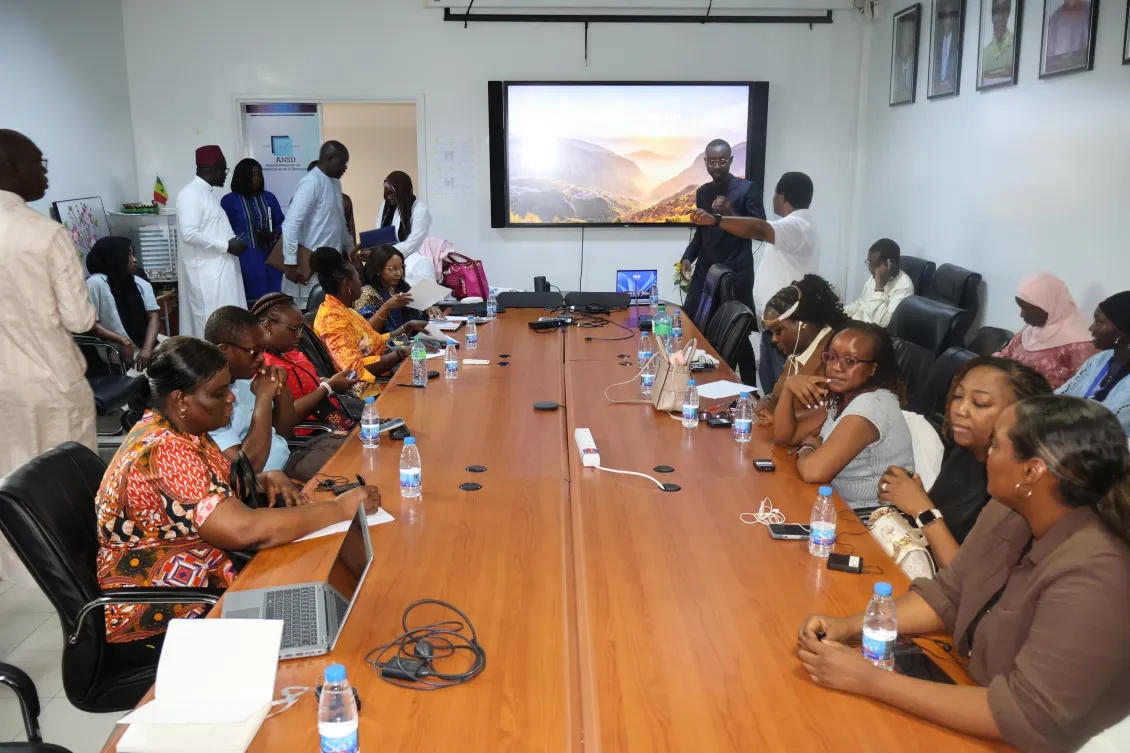
Day three moved to ANSD's own facilities, and this time Diouf opened in person, telling delegates how glad the agency was to be part of MIDN and how pleased he had been with the quality of day one's exchange. His remarks opened the floor to ANSD's own presentations, citizen data on infectious diseases and other health indicators built jointly with the Ministry of Health, alongside the agency's use of machine learning, geospatial and earth observation data, and AI. A tour of ANSD's Data Center closed out the visit, and the exchange.
Initiatives

Our partners

Presidential Agency for International Cooperation of Colombia - APC Colombia
ANSD - National Agency for Statistics and Demography of Senegal

Nigeria

Kenya Bureau of Statistics
Ghana Statistical Service