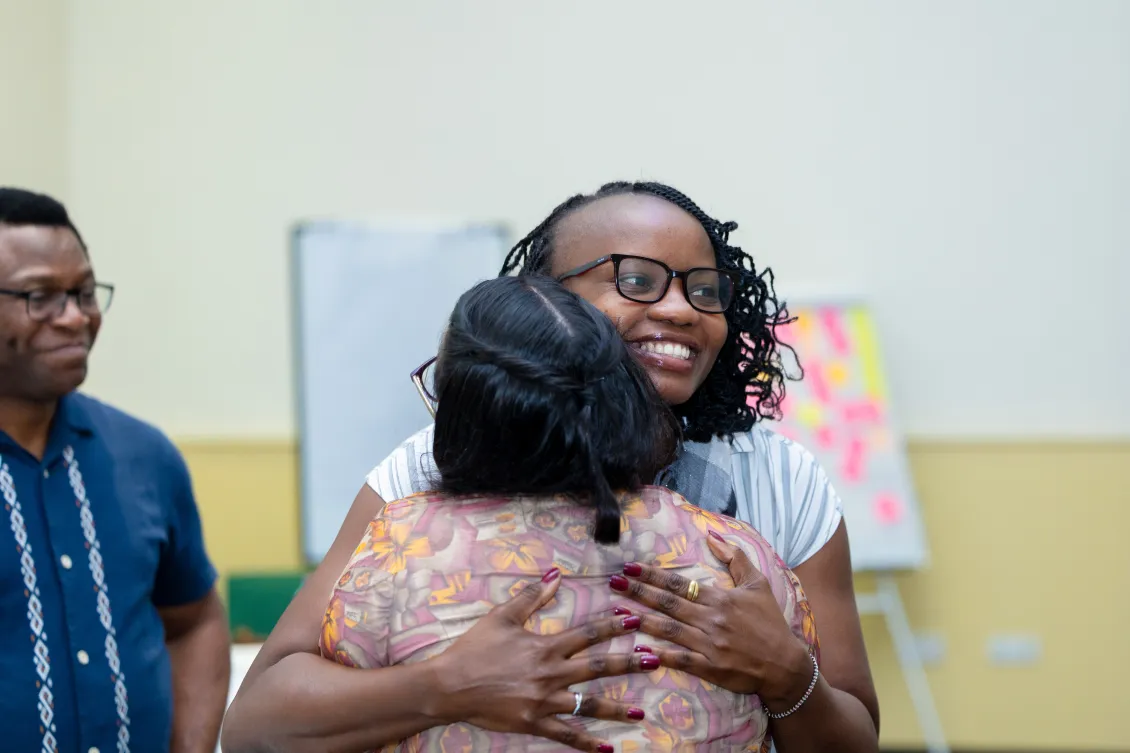
Teams from Ghana, Colombia, and Kenya met in Accra from August 27 to 29, 2025, for the Make Inclusive Data the Norm peer learning exchange at the Alisa Hotel. The gathering brought together national statistical offices, line ministries, and civil society to compare approaches, stress test what works, and plan the next phase of collaboration on inclusive and citizen-generated data.
Why this exchange mattered
Make Inclusive Data the Norm is a South to South collaboration by the Global Partnership for Sustainable Development Data, with funding from the Agencia Presidencial de Cooperación Internacional de Colombia (APC-Colombia) and in partnership with the governments of Colombia, Ghana, and Kenya through their national statistical offices. The initiative advances inclusive data for policy and governance, aligned with the Sustainable Development Goals and the 'Leave No One Behind' principle, with a core focus on citizen-generated data.

This was the third in-country exchange following convenings in Kenya in April 2024 and Colombia in November 2024, designed to synthesize lessons and shape a roadmap for scale.
What happened in Accra
The program included site visits, country showcases, peer working sessions, and dialogues with policy and development partners.
Activities began with a field visit hosted by the Ghana Statistical Service (GSS), which demonstrated how Ghana is using data science and mobile applications to enhance citizen participation and collect information for the Sustainable Development Goals, including the Boame sexual and gender-based violence app supported by UNFPA, as well as work on the Citizens Data Framework. The Ministry of Gender, Children, and Social Protection and civil society partners shared how these tools are being applied, with reflections from Kenya and Colombia.
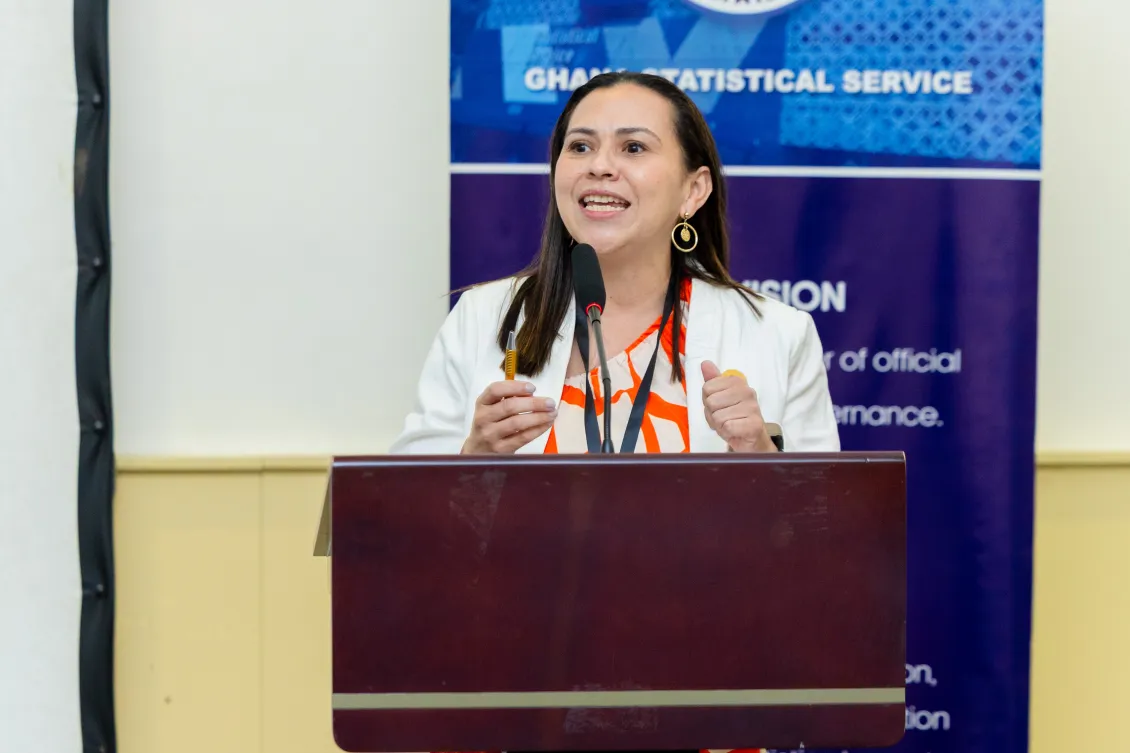
The opening session featured remarks from the Ghana Statistical Service, the Embassy of Colombia to Ghana, APC-Colombia, and Ghana’s Ministry of Gender, Children, and Social Protection. It was followed by a lightning panel moderated by Claire Melamed, Chief Executive Officer of the Global Partnership for Sustainable Development Data, with leaders from the Kenya National Bureau of Statistics and Colombia’s National Administrative Department of Statistics.
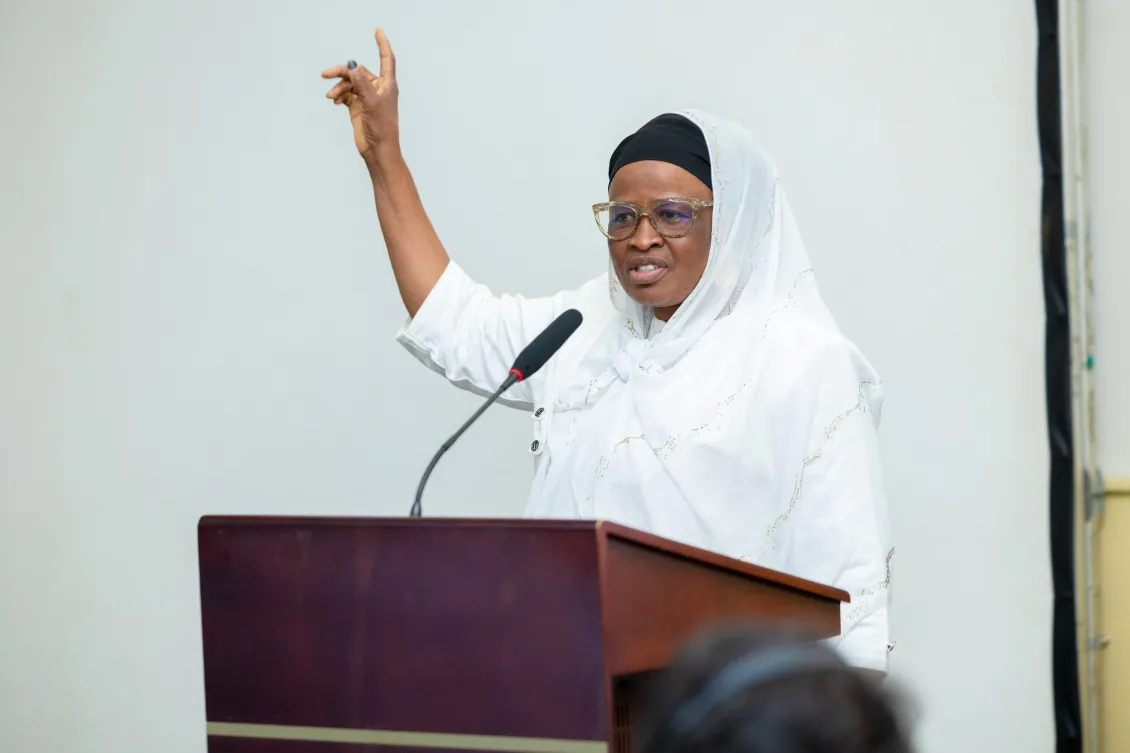
On the first day, Rafikata Mohammed, a survivor of female genital mutilation, shared her story. It was a reflective moment that underscored why this work matters and further affirmed the value of the Ghana Statistical Service’s efforts to use citizen data to understand the extent of female genital mutilation in northern Ghana.
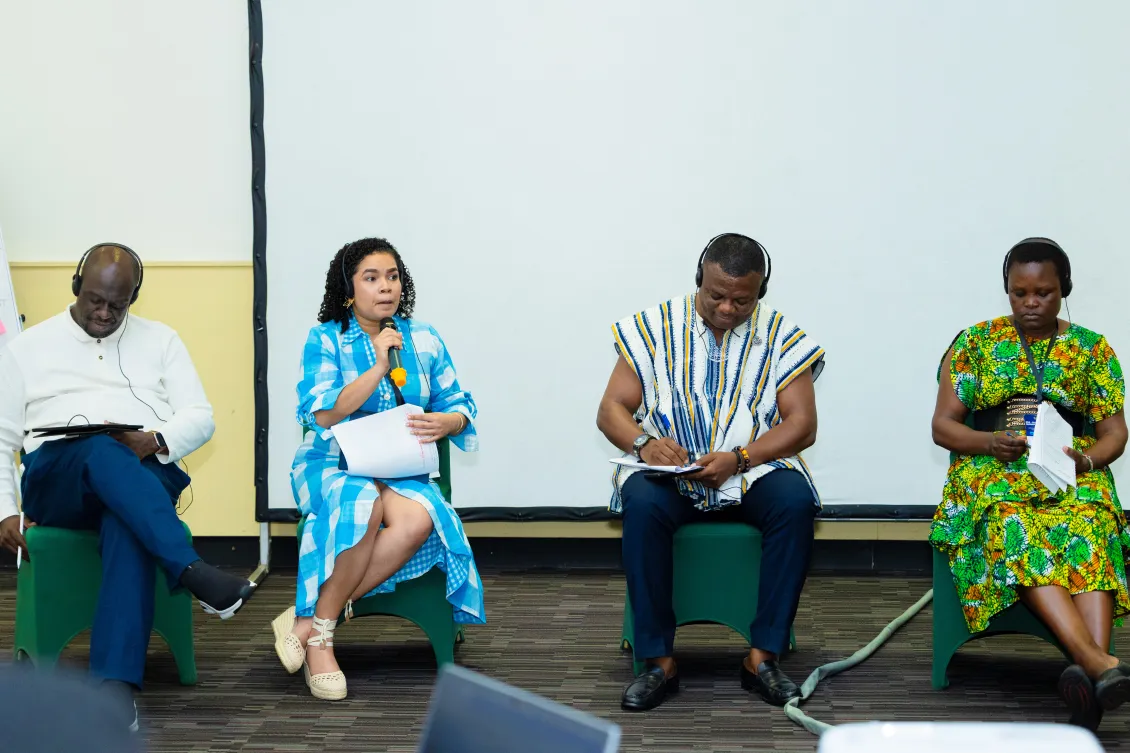
Day two combined a world café of country deep dives with practical planning. Sessions explored applying the Copenhagen Framework, establishing a gender data hub, and consolidating high-level country activity plans for the rest of 2025 and the second phase in 2026.
The final day connected the work to near-term milestones, including what the peer exchange will contribute to the citizen data expert group meeting in Cali in October and to the Global Data Festival in Nairobi in 2026.
Emerging messages
Participants emphasized pairing practical technology choices with clear institutional pathways for using inclusive and citizen data in decisions, while maintaining quality and ethics and building trust with communities. This aligns with the exchange objectives to document good practices, strengthen collaboration, and surface policy recommendations that can travel beyond a single project cycle.
Who was in the room
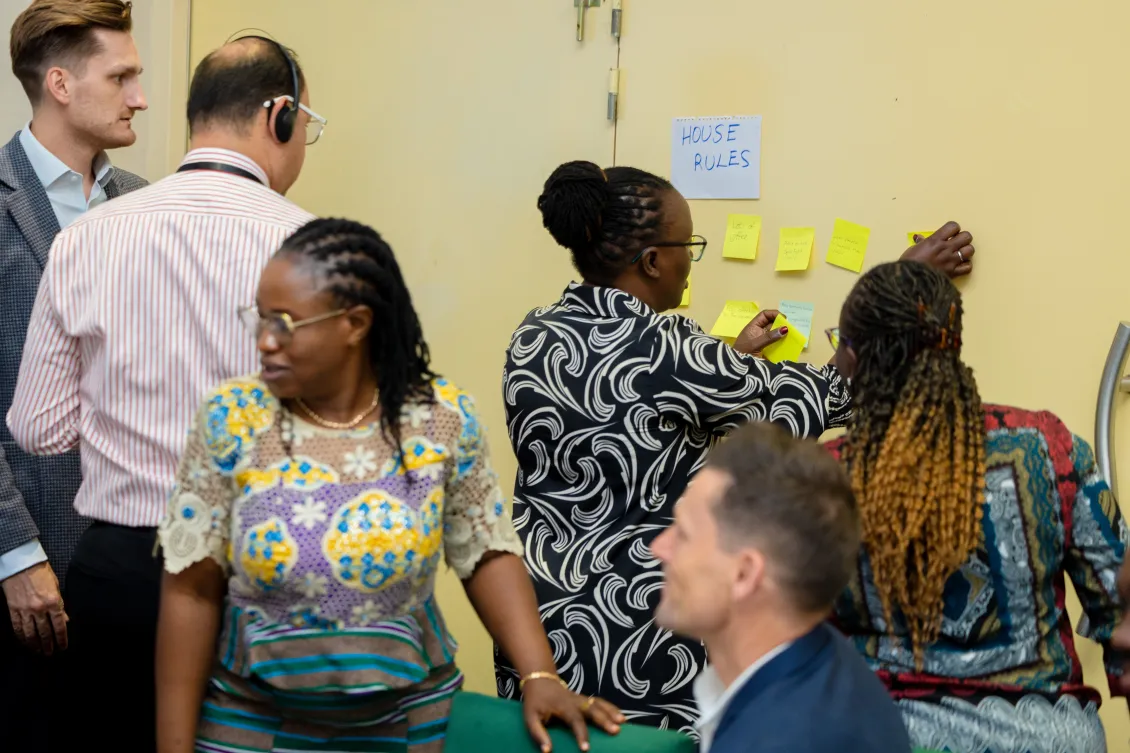
Approximately 45 participants from the three countries attended, including leaders from national statistical offices, ministries, and civil society partners.
What comes next
Country teams will refine phase two plans using lessons from the exchange and channel their contributions to the citizen data community and the Global Data Festival in 2026.