
In October, the United Nations Economic Commission for Africa (UNECA) brought heads of African national statistical offices (NSOs), policymakers, development partners and regional commissions to Addis Ababa for the 10th session of the Statistical Commission for Africa. This year’s theme was “Unleashing the value of data in Africa: making official statistics a true mirror of the continent.” The Global Partnership co-hosted four side events across the week on AI and data science, citizen data, administrative data, and NSO leadership.
Throughout the week, one point kept coming up: much of what holds countries back has less to do with technology than with institutions and relationships. NSOs are already running AI use cases, bringing community data into official statistics and signing data sharing agreements with ministries. How far that work goes depends on leadership.
The timing makes this more pressing. Development funding is tighter, and governments face growing pressure to pay for more of their own development through domestic resources. The global 2030 Agenda is in its final years. Agenda 2063, the African Union’s long-term plan for the continent’s development, sets its own goals. Many people are still missing from the data needed to track progress on either. These pressures risk pushing NSOs to the sidelines. They also give NSO leaders an opportunity. As outside funding falls, governments have to rely more on their own data systems, and NSOs are the institutions best placed to lead them. At the same time, many African governments are curious whether AI could help them make faster progress on those goals, and any government exploring AI needs someone to vouch for the data underneath it.
Turning data requests into partnerships
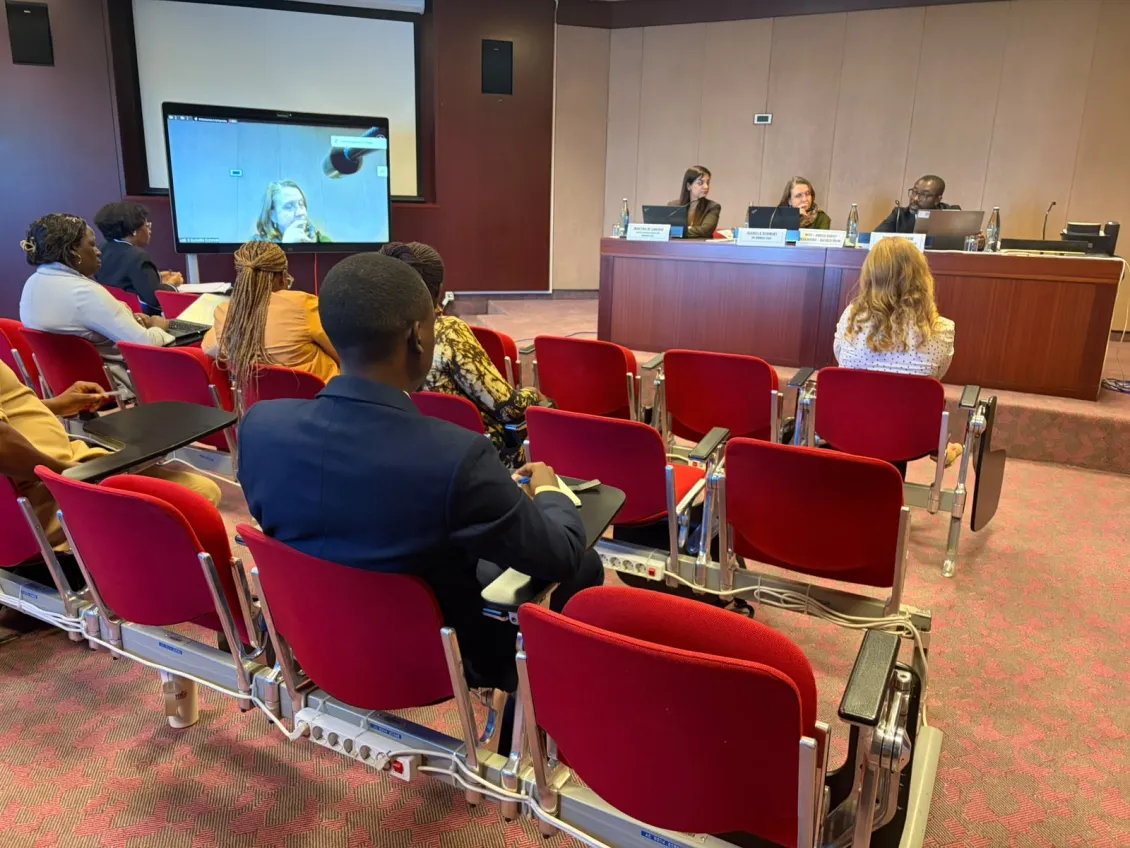
At the administrative data session, Ghana Statistical Service (GSS) described how it has signed memoranda of understanding with 25 line ministries, departments and agencies to share administrative data. Although Ghana’s statistics law gives GSS a mandate to request administrative data, the Service has prioritized building sustainable institutional relationships rather than relying solely on its legal authority. Joint technical working groups, a data sharing policy owned by each agency, and a joint work plan for 2027 underpin the agreements, and agencies receive training in return. The agreements are published, so everyone can see the terms. One of GSS’s lessons was to plan the work, not just what was agreed. This approach marks a shift from one-off administrative data requests to regular, institutionalized data sharing arrangements with agreed procedures. For Ghana, this strengthens the production, quality and use of administrative data across the national statistical system.
Other countries were frank about the obstacles, from statistics laws that limit an NSO’s mandate to agencies that still share data by hand. They need NSO leaders who keep making the case across government, ministry by ministry, until sharing data with the statistical office becomes routine.
Laying the groundwork for AI
The AI for official statistics session showed how far some NSOs have already come, and how much of it depends on leadership. When Ghana’s labor force survey asks people what work they do, the answers come back as “I sell provisions at Makola” or “okada rider.” Each one had to be converted into a standard occupation and industry code. In one quarter of 2025, coders did this by hand for 27,467 workers. GSS’ data science unit has now built a machine-learning model that suggests codes. It automatically accepts those it is confident about. The rest go to an official, whose corrections retrain the model.
Rwanda shows where well-coordinated data sharing can lead. Its government-wide guidelines cover data sharing, metadata, and classification, and its national platform provides data that is machine-readable and AI-ready. That kind of groundwork is what deploying AI in public services depends on, and NSOs that lead it are building the foundations needed for national digital transformation and AI-supported services.
Preparing for AI also means governing it well. At the opening of StatCom-Africa, Haishan Fu, the World Bank Group’s Chief Statistician and Director of the Development Data Group, pointed to the Bank’s AI readiness assessment for NSOs, which some statistical offices have already taken. The Kenya National Bureau of Statistics, for its part, is preparing to train staff at every level on the international standard for managing AI.
Leaving no one out of the numbers
Leadership also means making sure no one is left out of official statistics. At the AI for official statistics session, Senegal’s National Agency for Statistics and Demography (ANSD) showed how it is helping the government update the national registry of poor households, which guides who receives social protection support. Rather than wait for new fieldwork, ANSD trained machine learning models on existing household survey data and applied them to the 2023 census. The results suggest that if 300,000 grants were allocated this way, around 260,000 would reach poor households. To help more countries bring communities into the data, speakers at the citizen data side event asked UNECA to lead a regional chapter of the Collaborative on Citizen Data, bringing closer support to African NSOs.
Learning from peers, growing new leaders
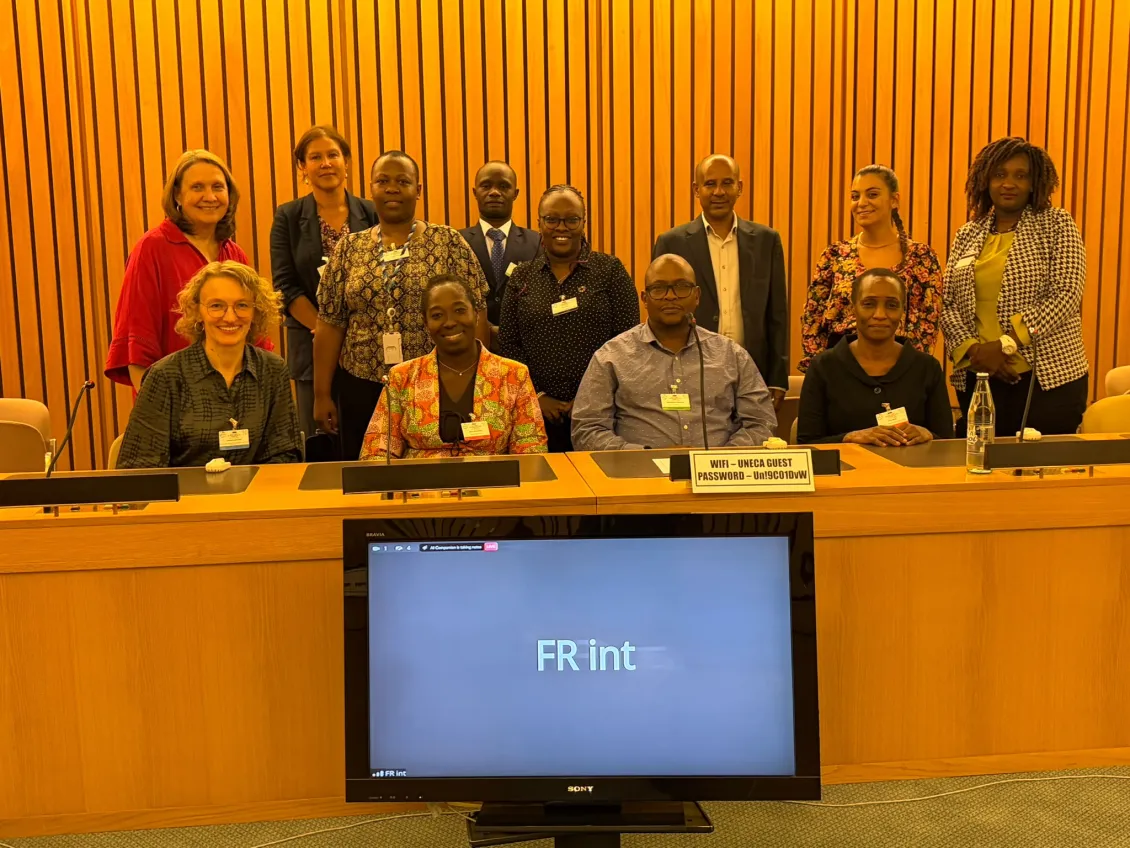
NSO heads want to learn from each other. That was the idea behind the proposed African NSO Leadership Exchange Platform (ANLEP), which participants at the leadership session, co-hosted with ACS-UNECA and PARIS21, welcomed as a way to keep the exchange going between meetings. Rather than create a separate initiative, they agreed to build ANLEP into existing regional leadership development initiatives, particularly those led by STATAFRIC (African Union) and PARIS21. It would add regular peer learning, mentoring, experience sharing, and strategic dialogue among African NSO leaders to work already underway. The same instinct showed up in the AI session, where Ghana proposed a shared African training set of coded job descriptions, since Zambia and Zimbabwe are automating the same work.
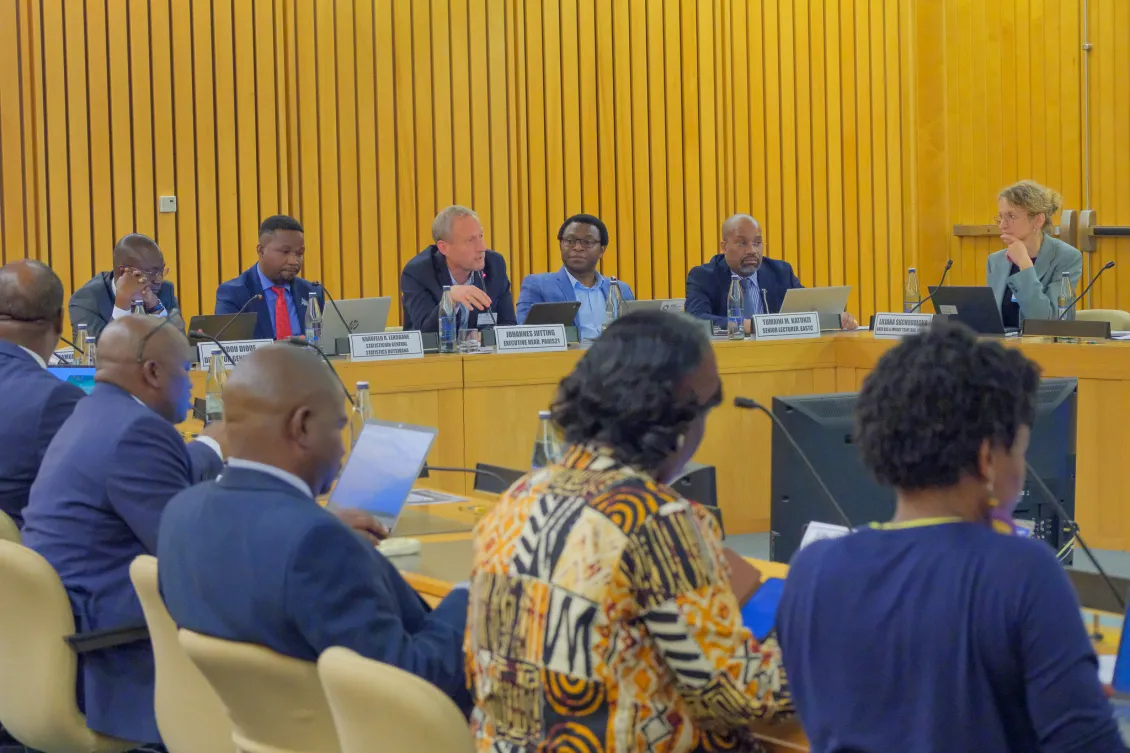
The skills senior officials gain in training rarely reach middle-level staff, and in some offices few women reach leadership positions. Statistics South Africa shared how it is addressing this. The Statistician-General runs an ongoing mentorship and exposure program for groups of women staff, giving them opportunities to learn, gain experience and prepare for leadership roles.
Following the NSOs’ lead
NSOs are looking for partners who will support them as they modernize and take on a bigger role as leaders and stewards of their national data systems. For the Global Partnership, that means following their lead, helping broker the data partnerships they need, and investing in relationships that outlast any single program.
Official statistics will reflect everyone in Africa only if NSO leaders keep building these partnerships and partners like us stand behind them.