Inclusive data
We want to see marginalized groups have more agency in the data value chain, and that governments and organizations ensure no one is left behind.
Filter by:
- Angola
- Argentina
- Australia
- Bangladesh
- Botswana
- Cabo Verde
- Cameroon
- Canada
- Chile
- Colombia
- Costa Rica
- Democratic Republic of the Congo
- Dominican Republic
- Ecuador
- Ethiopia
- Ghana
- Guinea-Bissau
- India
- Italy
- Jamaica
- Kenya
- Malawi
- Malta
- Mozambique
- Nepal
- Nigeria
- Paraguay
- Peru
- Philippines
- Rwanda
- São Tomé & Príncipe
- Senegal
- Sierra Leone
- Somalia
- Suriname
- Tanzania
- Togo
- Uganda
- United Kingdom
- United States
- Uruguay
- Vietnam
- Zimbabwe
- 1. No Poverty
- 2. Zero Hunger
- 3. Good Health and Well-Being
- 4. Quality Education
- 5. Gender Equality
- 6. Clean Water and Sanitation
- 7. Affordable and Clean Energy
- 8. Decent Work and Economic Growth
- 9. Industry, Innovation, and Infrastructure
- 10. Reduced Inequalities
- 11. Sustainable Cities and Communities
- 12. Responsible Consumption and Production
- 13. Climate Action
- 14. Life Below Water
- 15. Life on Land
- 16. Peace, Justice, and Strong Institutions
- 17. Partnerships For The Goals
The Data Science Fellowship: Driving digital transformation across Africa
Power of Data: Unlocking the Data Dividend for the SDGs

Six Years of the Inclusive Data Charter

Introducing our new Data Values Advocates
Make Inclusive Data the Norm
Tackling FGM in Ghana: The role of inclusive data and policy

Citizen Data: At the Center of Addressing Infectious Diseases
Harnessing the power of inclusive data through global cooperation
Hungry for data: How agricultural data can tackle food insecurity
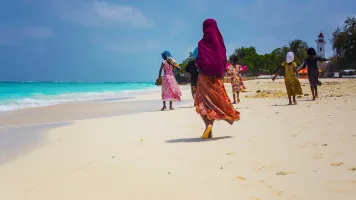
How data-driven approaches are advancing efforts to end gender-based violence in Zanzibar