Prejudice-based violence (Colombia Diversa + ILEX + App Diversa)
For over two decades, Colombia Diversa, an organization based in Bogotá that promotes and defends LGBTIQ+ rights in Colombia, has systematically documented prejudice-based violence. Through their Human Rights Observatory, which registers over 66 variables in lethal violence cases, the organization has identified violence patterns that do not appear in official statistics due to underreporting, inadequate classification, and a lack of differential focus.
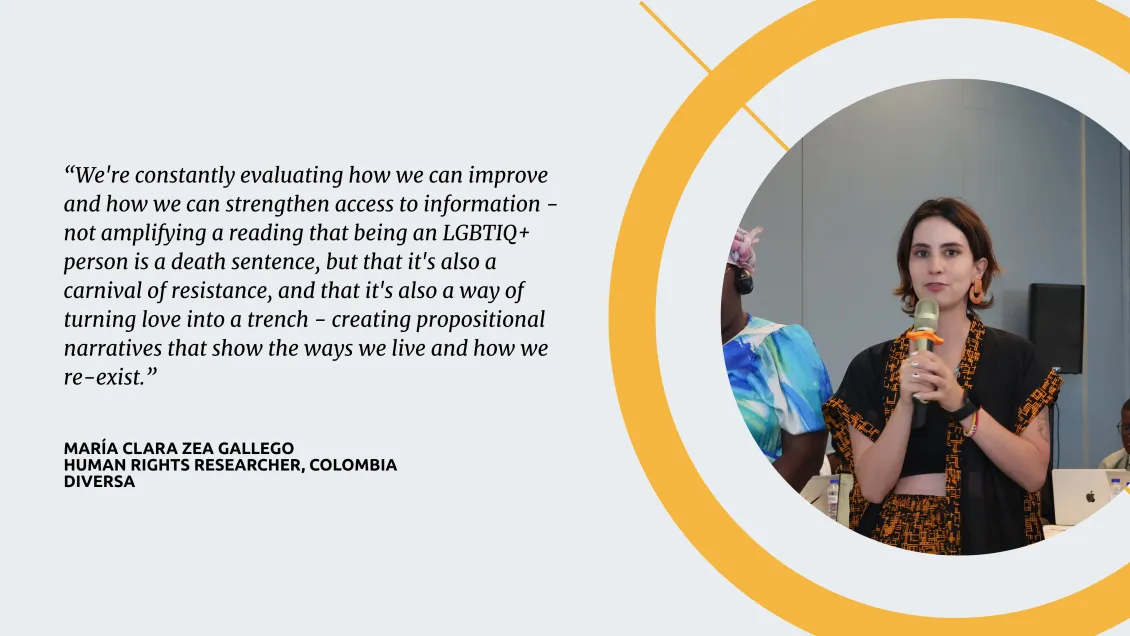
Three consistent patterns of lethal violence invisible in official traditional figures include:
- Gay and bisexual men are typically attacked in private spaces with bladed weapons or asphyxia, often after interaction via dating apps.
- Trans women face violence mainly in public areas linked to sex work, usually by unknown assailants using firearms or bladed weapons.
- Lesbian and bisexual women experience contract killings (sicariato) more frequently in urban and public settings.
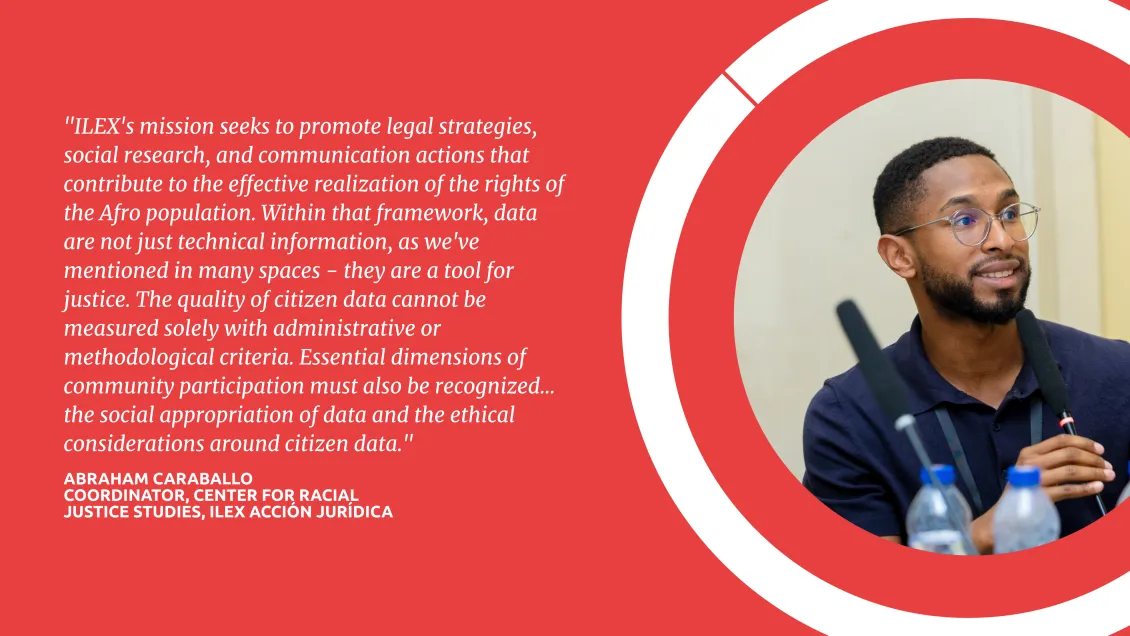
ILEX Acción Jurídica, an organization led by Afro-Colombian women lawyers and Afro-LGBT individuals dedicated to advancing racial justice, brought a different complementary lens. ILEX has been at the forefront of challenging the statistical invisibility of Afro-descendant populations in Colombia. Their work led to a landmark ruling requiring DANE to evaluate the systematic undercounting of Afro-descendant people in the 2018 Census.
These two streams of expertise converged in the co-creation of App Diversa. A key moment in the process was realizing that simply recording experiences of discrimination in general terms was not enough; it was essential to incorporate specific variables to grasp the contexts of such incidents more clearly. ILEX introduced technical categories with legal implications, such as distinguishing between migratory status and nationality, and accurately describing non-binary identities. They also recommended expanding the scope of recognized discrimination environments to include the justice system, institutional violence, and interactions with law enforcement, highlighting the issue of racial profiling in police operations. Additionally, they proposed integrating questions about the frequency of incidents, reporting practices, and an open space, as conventional tools often overlook the complexities of violence.
Ancestral knowledge and vital records (Partera Vital + Asoredipar Chocó)
Traditional government surveys and vital statistics often overlook births attended by traditional midwives (parteras) in remote Pacific regions, resulting in unregistered births or delayed registrations. This leads to statistical invisibility of Afro-descendant children and a lack of recognition for the ancestral health systems that support these communities. The “Partera Vital” initiative enables midwives of remote communities to register births in real-time using a mobile application. This doesn't just add a 'number' to the count; it validates the midwives’ roles as healthcare providers while capturing vital data that the central system otherwise cannot do.
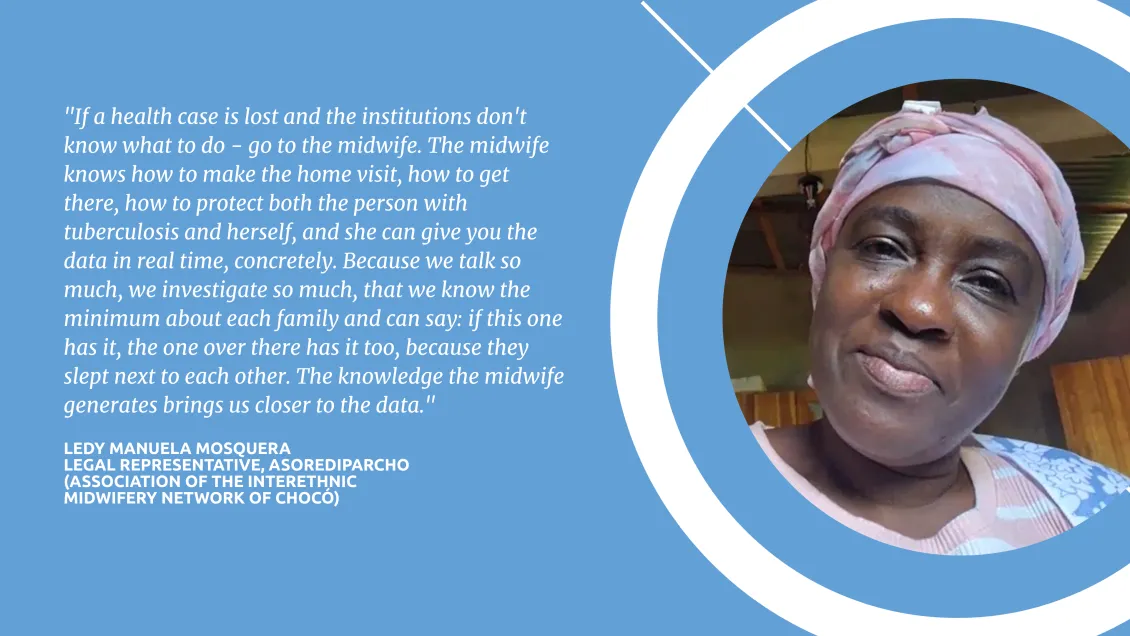
In Chocó, the initiative has strengthened technical, organizational, administrative, and financial aspects of traditional midwifery. In practice, DANE's recognition helped traditional midwives to become legitimate data producers, affirming their critical role as carriers of family care knowledge. The initiative emphasizes that being born in the hands of traditional midwives means being born into a territory, community, and family, fostering a sense of peace and offering a real, stigma-free lived experience.
More than 2,000 births have been registered annually through Partera Vital, highlighting the importance of recognizing births and deaths in ethnic territories where official records were previously inadequate. This effort showcases the significance of individuals in remote territories and their capacity to contribute to national statistics.